
Introduction
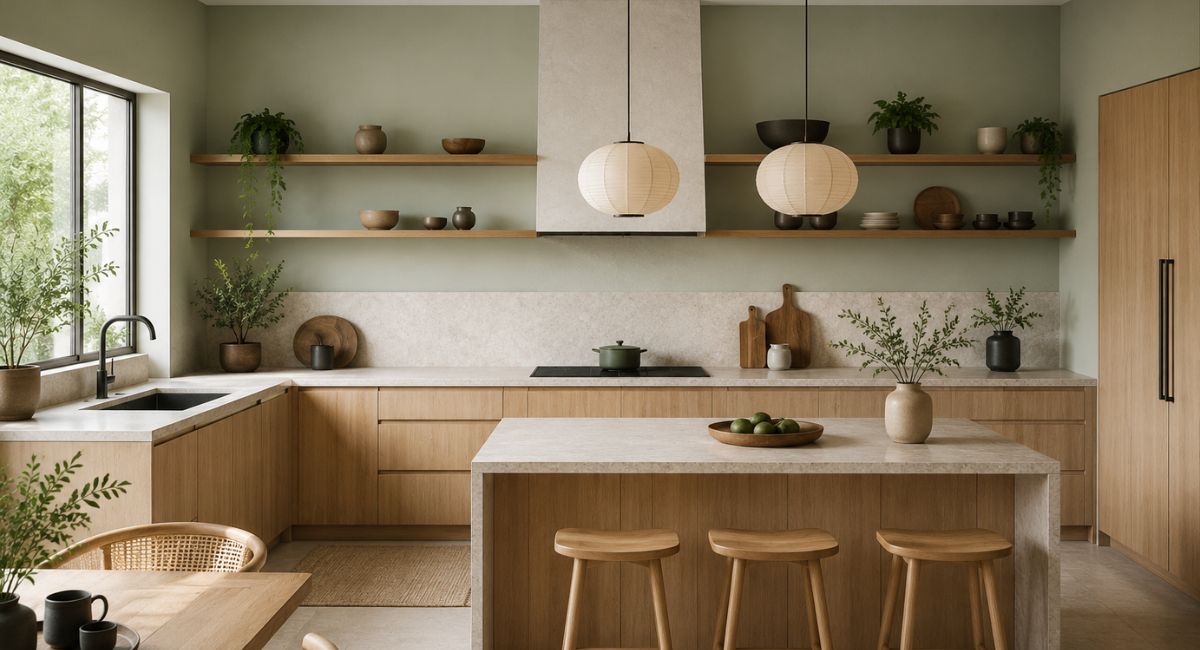
If you’re searching for the best Japandi kitchen ideas, you’re not alone. This elegant design style has become one of the biggest home décor trends for 2026 because it perfectly combines Japanese minimalism with Scandinavian comfort. The result is a kitchen that feels warm, organized, practical, and timeless.
Unlike kitchens filled with excessive decorations or bold colors, a Japandi kitchen focuses on simplicity, natural materials, and intentional design. Every cabinet, shelf, and decorative piece has a purpose. Natural wood, soft lighting, neutral colors, and clean lines work together to create a relaxing atmosphere that makes everyday cooking more enjoyable.
Whether you’re remodeling your entire kitchen or simply updating a few details, Japandi design offers ideas that suit both large family kitchens and compact apartments. It emphasizes quality over quantity, making your kitchen feel open, peaceful, and inviting.
In this guide, you’ll discover the best Japandi kitchen ideas for 2026, including cabinet styles, storage solutions, lighting, color palettes, and decorating tips to help you design a beautiful kitchen that never goes out of style.
What Is a Japandi Kitchen?
A Japandi kitchen blends two of the world’s most admired interior design styles.
The first is Japanese design, which values simplicity, balance, craftsmanship, and a strong connection to nature. The second is Scandinavian design, known for cozy living, functional furniture, and bright, welcoming interiors.
Together, these styles create kitchens that are:
- Simple yet elegant
- Functional without feeling cold
- Warm and inviting
- Filled with natural materials
- Free from unnecessary clutter
Instead of decorating every corner, Japandi focuses on carefully selecting high-quality materials and practical furniture that will remain beautiful for years.
Why Japandi Kitchen Ideas Are Trending in 2026
Homeowners are moving toward calm, organized living spaces, making Japandi kitchen ideas more popular than ever. Modern lifestyles often feel busy, so many people want their homes to provide a sense of peace and relaxation.
Japandi kitchens also support sustainable living by encouraging durable furniture, eco-friendly materials, and fewer unnecessary purchases. Rather than following short-lived design trends, this style emphasizes timeless beauty and quality craftsmanship.
Another reason for its popularity is flexibility. Whether your kitchen is large or small, modern or traditional, Japandi principles can easily be adapted to fit your space.
1. Choose Natural Wood Cabinets
Natural wood is the foundation of almost every Japandi kitchen.
Wood instantly adds warmth while maintaining the clean, minimalist appearance that defines this style. Light oak, ash, walnut, and bamboo remain the most popular choices for 2026 because they create a soft and organic atmosphere.
Flat-panel cabinet doors work best because they avoid unnecessary details while highlighting the natural beauty of the wood grain.
Best wood choices include:
- White Oak
- Ash
- Walnut
- Bamboo
- Birch
Wood cabinets pair beautifully with stone countertops and neutral-colored walls, creating a balanced and timeless kitchen.
2. Use a Soft Neutral Colour Palette
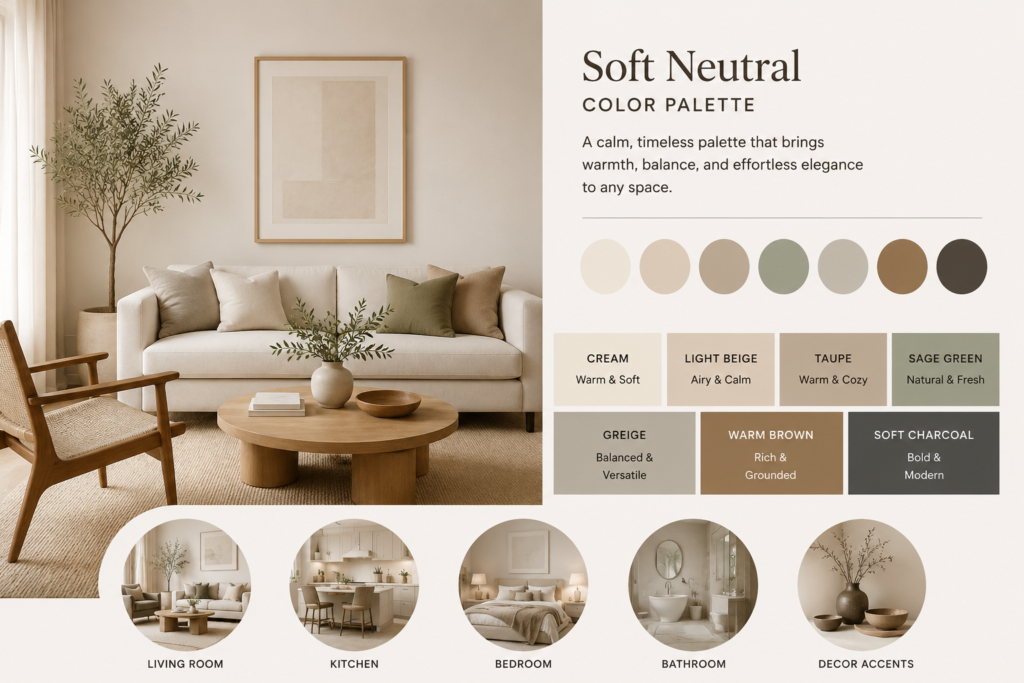
Color plays a major role in creating a peaceful kitchen.
Instead of bright colors, Japandi kitchen ideas focus on calming shades inspired by nature.
Popular colors include:
- Warm white
- Soft cream
- Beige
- Sand
- Light gray
- Taupe
- Sage green
- Charcoal accents
These colors reflect natural light, making kitchens appear larger while creating a relaxing atmosphere.
For added depth, combine light walls with wooden cabinets and matte black hardware.
3. Keep Countertops Clutter-Free
One of the most important Japandi principles is simplicity.
Rather than displaying every appliance on the countertop, keep only the essentials visible.
Consider displaying:
- A wooden cutting board
- Handmade ceramic bowls
- A coffee station
- A small indoor plant
- Glass storage jars
Everything else should remain neatly stored inside cabinets or drawers.
A clutter-free countertop instantly makes your kitchen feel more spacious and calming while making everyday cleaning much easier.
4. Install Open Wooden Shelving
Open shelving continues to be one of the most popular Japandi kitchen ideas in 2026.
Instead of filling upper walls with cabinets, install floating wooden shelves to create an open and airy feeling.
Decorate them with:
- Handmade pottery
- Neutral mugs
- Glass jars
- Wooden serving trays
- Cookbooks
- Small potted herbs
Keep displays simple and balanced. Avoid overcrowding shelves with too many decorative pieces.
Open shelving combines storage with style while showcasing beautiful everyday essentials.
5. Add Warm Layered Lighting
Lighting has a huge impact on the mood of a Japandi kitchen.
Instead of relying on one bright ceiling fixture, layer different types of lighting throughout the room.
Good options include:
- Wooden pendant lights
- Linen lampshades
- Under-cabinet LED strips
- Warm white recessed lighting
- Wall sconces
Soft lighting highlights natural wood textures and creates a welcoming environment throughout the day and evening.
6. Add a Minimalist Kitchen Island
A kitchen island is more than just a workspace in a Japandi home. It serves as the heart of the kitchen, offering extra preparation space, hidden storage, and a place for family gatherings. The key is to keep the design clean and uncluttered.
Choose an island made from natural wood or light-colored stone with simple, straight lines. Avoid ornate details or oversized decorations. If your kitchen is small, consider a compact island with built-in shelves or drawers to maximize storage.
Styling Tips
- Use a light oak or walnut finish.
- Keep the countertop clear except for one decorative item.
- Add two or three wooden stools with simple designs.
- Choose matte finishes instead of glossy surfaces.
A minimalist island creates balance while maintaining the peaceful atmosphere that defines Japandi design.
7. Choose Natural Stone Countertops
Natural materials are at the core of Japandi kitchen ideas, making stone countertops an excellent choice.
Quartz, granite, soapstone, and light marble provide durability while adding subtle texture. Rather than selecting countertops with bold patterns, opt for gentle veining and neutral colors that complement wooden cabinetry.
Stone surfaces also age beautifully, making them a long-term investment for your home.
Best Countertop Materials
- White quartz
- Light marble
- Soapstone
- Beige granite
- Concrete with a matte finish
These materials create a timeless look that blends perfectly with Japandi interiors.
8. Maximize Hidden Storage
A Japandi kitchen should always feel open and organized. Hidden storage helps maintain that clean appearance while keeping everyday essentials within easy reach.
Consider installing:
- Deep drawers for pots and pans
- Pull-out pantry shelves
- Built-in spice racks
- Appliance garages
- Corner cabinet organizers
- Drawer dividers
Hidden storage reduces visual clutter and makes the kitchen more functional for daily use.
9. Decorate with Indoor Plants
Nature plays an important role in Japandi interiors. Adding greenery makes the kitchen feel fresh, vibrant, and relaxing.
Choose plants that require minimal maintenance and thrive indoors.
Best Plants for a Japandi Kitchen
- Snake Plant
- Pothos
- Olive Tree
- Herbs (Basil, Rosemary, Mint)
- ZZ Plant
- Rubber Plant
Place plants near windows or on open shelves in simple ceramic or stone planters. Avoid colorful plastic pots, as natural materials fit the Japandi aesthetic better
10. Display Handmade Ceramics
Handcrafted pottery is one of the easiest ways to bring authenticity into a Japandi kitchen.
Instead of using mass-produced decorations, display handmade ceramic bowls, mugs, plates, and serving dishes. Slight imperfections add character and reflect the Japanese appreciation for craftsmanship.
Neutral colors such as white, beige, gray, and earthy brown work best.
Ideas include:
- Handmade dinner plates
- Stoneware mugs
- Ceramic tea sets
- Textured serving bowls
- Decorative vases
These pieces are both practical and beautiful, perfectly matching the Japandi philosophy.
11. Use Sustainable Materials
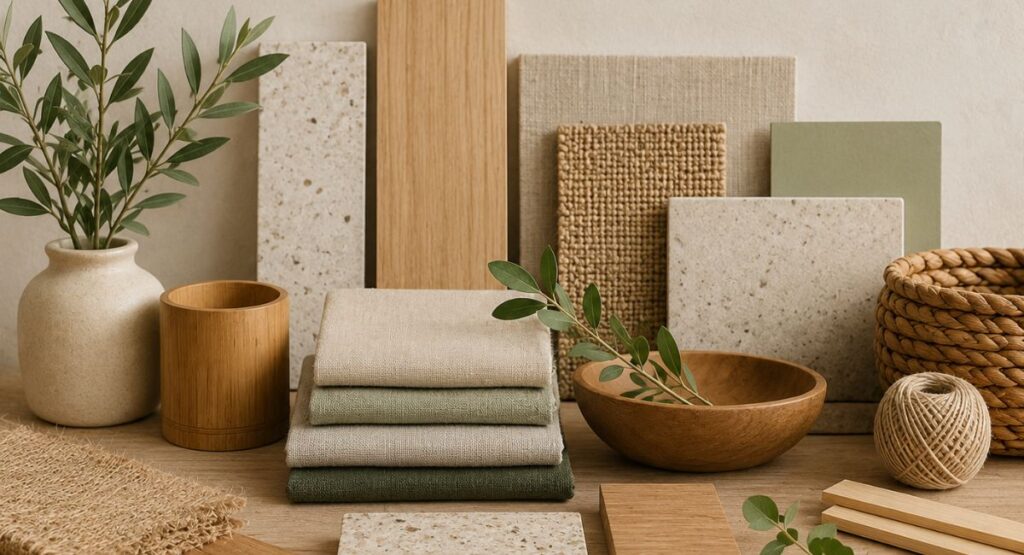
Sustainability continues to influence interior design in 2026, making it a natural fit for Japandi kitchens.
Choose eco-friendly materials whenever possible, such as:
- FSC-certified wood
- Bamboo products
- Recycled glass
- Linen textiles
- Organic cotton towels
- Cork accessories
Investing in durable, high-quality materials reduces waste and creates a kitchen that lasts for many years.
12. Select Simple Modern Appliances
Modern appliances can blend seamlessly into a Japandi kitchen when chosen carefully.
Look for appliances with:
- Matte black finishes
- Matte white finishes
- Stainless steel details
- Minimal buttons
- Built-in installation
Built-in ovens, concealed refrigerators, and integrated dishwashers help maintain the clean, streamlined appearance of the kitchen.
Smart appliances with energy-efficient features also align with the Japandi focus on functionality and sustainability.
Appliance Recommendations
- Induction cooktops
- Built-in coffee machines
- Integrated refrigerators
- Quiet dishwashers
- Energy-efficient ovens
Choose appliances that prioritize performance without dominating the overall design.
Why These Japandi Kitchen Ideas Work
Each of these ideas contributes to a kitchen that is:
- Calm and clutter-free
- Functional for everyday living
- Easy to clean and maintain
- Timeless rather than trend-driven
- Comfortable and welcoming
- Environmentally conscious
By combining natural materials, thoughtful organization, and minimalist styling, you can create a kitchen that remains elegant for years to come.
13. Let Natural Light Be the Star
Natural light is one of the defining features of Japandi kitchen ideas. A bright kitchen feels larger, cleaner, and more welcoming while highlighting the beauty of natural wood and neutral colors.
If your kitchen has large windows, keep them as open as possible. Replace heavy curtains with light linen drapes or simple roller blinds that allow sunlight to filter through.
If natural light is limited, use warm white LED lighting that mimics daylight and place mirrors strategically to reflect light around the room.
Ways to Increase Natural Light
- Install larger windows if possible.
- Choose sheer linen curtains.
- Use light-colored walls.
- Add reflective surfaces like glass or light stone.
- Keep window areas free from clutter.
A bright kitchen instantly creates the peaceful atmosphere that defines Japandi design.
14. Create an Open and Airy Layout
A Japandi kitchen should never feel crowded. Whether your kitchen is large or small, maintaining an open layout improves both functionality and comfort.
Avoid unnecessary furniture and leave enough space for easy movement between the sink, stove, and refrigerator.
If your kitchen connects to the dining or living area, use similar colors and materials throughout the space to create a seamless flow.
Benefits of an Open Layout
- Makes small kitchens appear larger.
- Improves natural light.
- Creates better traffic flow.
- Encourages family interaction.
- Makes entertaining guests easier.
An open design helps maintain the clean and calming feel of a Japandi home.
15. Choose a Simple Textured Backsplash
A backsplash protects your walls while adding subtle visual interest.
Instead of bold patterns, choose materials with gentle texture and neutral tones.
Popular backsplash ideas include:
- Handmade ceramic tiles
- Matte white subway tiles
- Light gray stone
- Beige textured tiles
- Natural limestone
These materials complement wooden cabinets without overwhelming the overall design.
Keep grout lines clean and colors consistent to preserve the minimalist aesthetic.
16. Add Wooden Dining Furniture
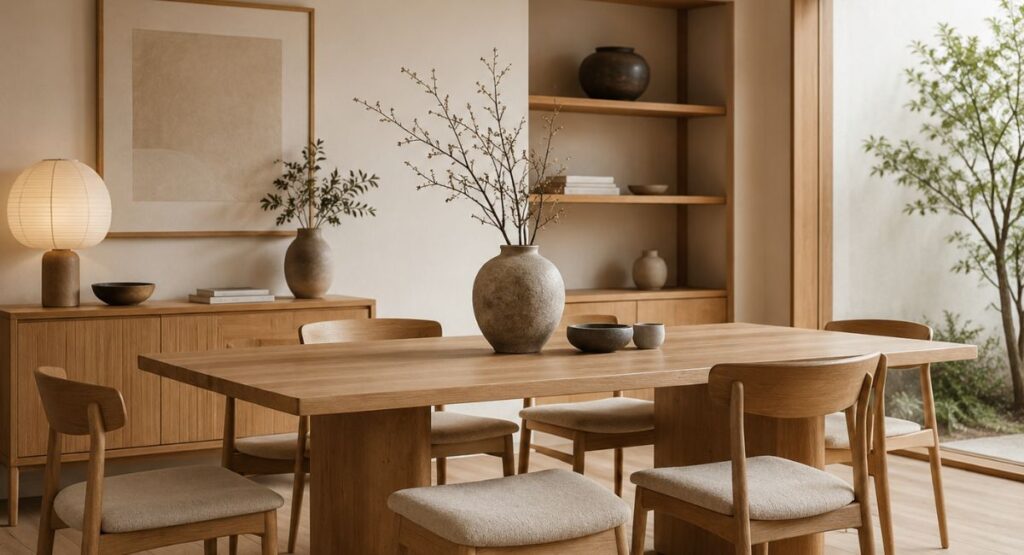
Many Japandi kitchens include a small dining space where family and friends can gather.
Choose dining furniture with simple shapes and natural materials.
The best options include:
- Oak dining tables
- Walnut chairs
- Wooden benches
- Woven seat cushions
- Linen table runners
Avoid bulky furniture with excessive carving or decoration. Clean lines and quality craftsmanship create a timeless appearance.
A wooden dining area adds warmth and encourages relaxed family meals.
17. Introduce Soft Textiles
Although Japandi style is minimalist, it should never feel cold. Soft textiles make the kitchen feel more comfortable while adding subtle texture.
Use natural fabrics such as:
- Linen curtains
- Cotton kitchen towels
- Woven placemats
- Neutral tablecloths
- Handmade fabric napkins
Choose earthy shades like beige, cream, taupe, and soft gray to maintain visual harmony.
Layering different textures creates depth without adding clutter.
18. Add Matte Black Accents
One of the most popular Japandi kitchen ideas for 2026 is using matte black details to create contrast.
Instead of making black the dominant color, use it sparingly.
Good examples include:
- Cabinet handles
- Kitchen faucets
- Pendant light frames
- Window frames
- Open shelf brackets
These subtle accents add a modern touch while balancing the warmth of natural wood.
Too many black elements can make the kitchen feel heavy, so moderation is key.
19. Decorate with Purpose
Japandi style believes every decorative item should have meaning or function.
Rather than filling shelves with random accessories, select a few timeless pieces that reflect craftsmanship and simplicity.
Ideas include:
- Handmade ceramic vases
- Wooden bowls
- Stone candle holders
- Bamboo trays
- Small sculptures
- Framed botanical artwork
Group decorations in odd numbers and leave empty space around them to create a balanced composition.
Remember, empty space is an important design element in Japandi interiors.
Common Mistakes to Avoid
Even beautiful kitchens can lose their Japandi charm if they’re overdecorated or poorly organized.
Avoid these common mistakes:
- Using too many bright colors.
- Overfilling open shelves.
- Mixing too many wood tones.
- Choosing glossy finishes instead of matte textures.
- Buying trendy decorations with no purpose.
- Leaving countertops cluttered with small appliances.
- Ignoring natural light.
Keeping the design simple and intentional will help your kitchen maintain its timeless appeal.
Quick Styling Checklist
Before finishing your Japandi kitchen, ask yourself:
- ✓ Are the colors soft and natural?
- ✓ Is there enough open space?
- ✓ Are surfaces free from clutter?
- ✓ Have you used natural materials like wood and stone?
- ✓ Does every decorative item have a purpose?
- ✓ Is the lighting warm and inviting?
- ✓ Does the kitchen feel calm and functional?
If the answer is “yes” to most of these questions, you’re on the right path to creating a beautiful Japandi kitchen.
20. Add Open Pantry Storage
A well-organized pantry is an important feature of modern Japandi kitchen ideas. Instead of hiding everything away, use a combination of concealed cabinets and neatly arranged open pantry shelves.
Store dry foods in matching glass jars with bamboo lids and keep baskets for snacks, tea, or baking supplies. Uniform containers create a clean and organized appearance while making ingredients easy to find.
Pantry Organization Tips
- Use clear glass storage jars.
- Label containers neatly.
- Store similar items together.
- Add woven baskets for extra storage.
- Keep shelves uncluttered.
A tidy pantry reflects the Japandi philosophy of simplicity and functionality.
21. Mix Wood and Stone Textures
Texture plays a major role in Japandi interiors. Instead of relying on bold colors, combine natural materials to create visual interest.
For example:
- Light oak cabinets with white quartz countertops.
- Walnut shelving with a stone backsplash.
- Wooden dining furniture with concrete flooring.
- Bamboo accessories on marble surfaces.
This combination creates depth while maintaining a soft, harmonious look.
22. Choose Eco-Friendly Kitchen Accessories
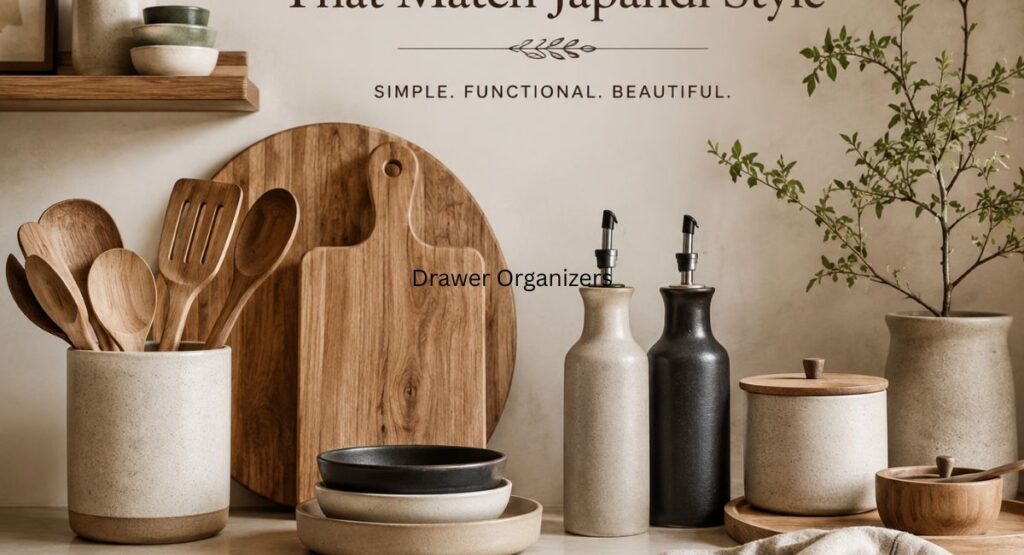
Sustainability continues to shape interior design in 2026, making eco-friendly accessories a perfect fit for a Japandi kitchen.
Consider using:
- Bamboo utensils
- Wooden chopping boards
- Linen napkins
- Cotton dish towels
- Reusable glass bottles
- Ceramic food containers
- Woven storage baskets
Choosing durable, reusable products helps reduce waste while adding natural beauty to your kitchen.
23. Add a Cozy Breakfast Corner
If space allows, create a small breakfast nook where you can enjoy coffee or meals in a peaceful setting.
A simple wooden table with comfortable chairs and soft cushions creates a welcoming space without overwhelming the room.
Complete the area with:
- A linen table runner
- Handmade ceramic mugs
- A small vase with fresh greenery
- Warm pendant lighting
A breakfast corner adds comfort while maintaining the minimalist aesthetic.
24. Keep Decorations Simple and Meaningful
Decorating a Japandi kitchen isn’t about adding more items—it’s about choosing better ones.
Display only a few carefully selected pieces, such as:
- Handmade pottery
- Wooden trays
- Stone candle holders
- Ceramic bowls
- Small indoor plants
- Minimal wall art
Leave empty space around decorative items to create balance. This intentional simplicity makes each piece stand out and contributes to the calm atmosphere.
25. Focus on Timeless Design
The final and perhaps most important of all Japandi kitchen ideas is to create a kitchen that will still look beautiful years from now.
Instead of following short-lived trends, invest in:
- High-quality cabinetry
- Durable countertops
- Natural materials
- Neutral color schemes
- Functional storage
- Classic lighting
Timeless design saves money over time because it doesn’t need frequent updates.
Japandi Kitchen vs. Modern Minimalist Kitchen
| Feature | Japandi Kitchen | Modern Minimalist Kitchen |
|---|---|---|
| Color Palette | Warm neutrals and earthy tones | White, black, and gray |
| Materials | Natural wood, stone, bamboo | Glass, metal, concrete |
| Atmosphere | Warm and cozy | Sleek and modern |
| Storage | Hidden with open shelving | Mostly concealed |
| Decor | Handmade and natural | Minimal decorative items |
| Style | Japanese + Scandinavian | Contemporary minimalism |
Benefits of Japandi Kitchen Ideas
- Creates a calm and relaxing atmosphere.
- Makes kitchens feel larger and brighter.
- Encourages organization and less clutter.
- Uses sustainable, eco-friendly materials.
- Timeless design that stays stylish for years.
- Works well in both small and large kitchens.
- Easy to maintain with fewer decorative items.
- Increases the overall value and appeal of your home.
Frequently Asked Questions
What is a Japandi kitchen?
A Japandi kitchen combines Japanese minimalism with Scandinavian functionality, using natural materials, neutral colors, and simple, practical design.
Are Japandi kitchen ideas suitable for small kitchens?
Yes. Japandi style is perfect for small kitchens because it emphasizes smart storage, clean lines, light colors, and clutter-free spaces that make rooms feel larger.
Which colors work best in a Japandi kitchen?
Warm white, cream, beige, taupe, soft gray, sage green, and natural wood tones are ideal for creating a calm and inviting atmosphere.
What materials define Japandi design?
Natural wood, stone, bamboo, linen, ceramic, and matte metal finishes are key materials used in Japandi interiors.
Is Japandi kitchen design still popular in 2026?
Absolutely. Japandi kitchen ideas remain one of the top interior design trends in 2026 because they combine timeless beauty, functionality, and sustainability.
Can I mix modern appliances with Japandi style?
Yes. Choose built-in or minimalist appliances with matte finishes so they blend seamlessly with the natural materials and clean design.
Conclusion
Japandi kitchen ideas are more than just a design trend—they represent a lifestyle focused on simplicity, comfort, and intentional living. By combining Japanese minimalism with Scandinavian warmth, you can create a kitchen that feels peaceful, practical, and effortlessly stylish.
From natural wood cabinets and stone countertops to open shelving, warm lighting, and eco-friendly materials, every element works together to create a balanced and welcoming environment. Whether you’re designing a compact apartment kitchen or renovating a spacious family home, Japandi style offers timeless solutions that prioritize both beauty and function.
Rather than chasing changing trends, invest in quality materials, thoughtful storage, and meaningful décor. A well-designed Japandi kitchen will continue to feel elegant and functional for many years, making it one of the smartest choices for your home in 2026 and beyond.
you can also visit our article kitchen dec ideas
One Comment
[…] you can also visit our article japandi kitchen ideas […]