
Introduction
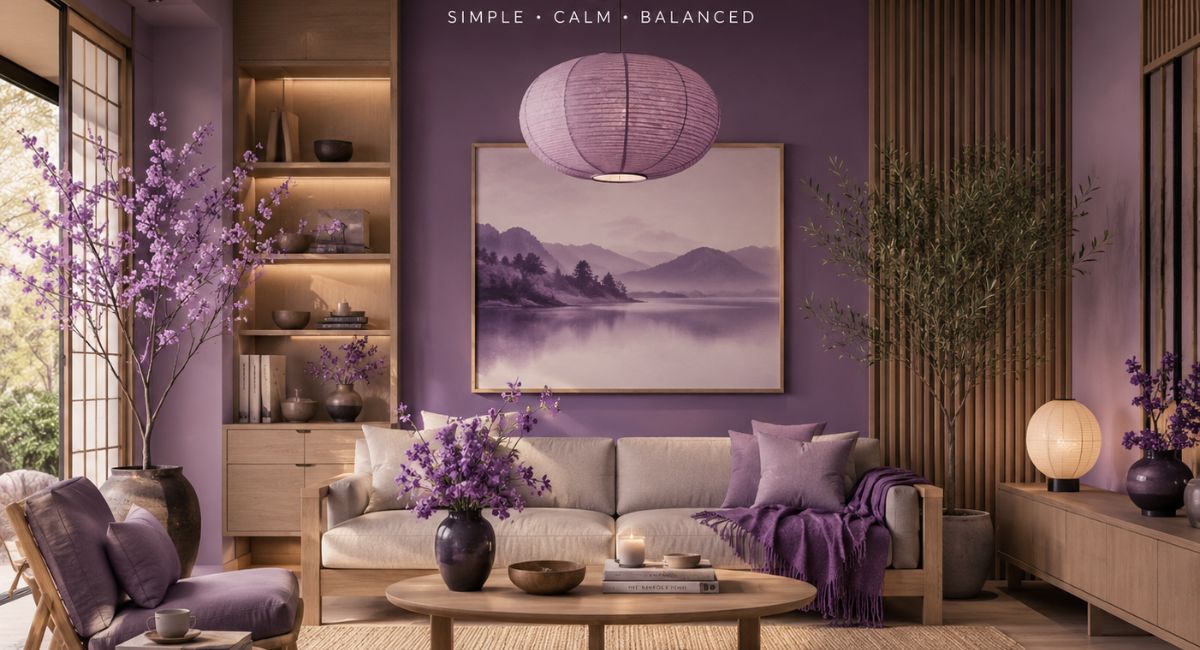
Japandi interior design has become one of the most popular home décor styles in recent years, thanks to its perfect balance of simplicity, warmth, and functionality. By blending the clean lines of Japanese minimalism with the cozy comfort of Scandinavian design, Japandi creates interiors that feel peaceful, elegant, and timeless.
Unlike trends that quickly fade, Japandi focuses on intentional living and thoughtful design. Every piece of furniture, every decorative accessory, and every color has a purpose. As a result, your home feels less cluttered, more organized, and incredibly relaxing.
Moreover, Japandi interiors emphasize natural materials, soft neutral colors, handcrafted décor, and quality furniture that lasts for years. Whether you’re decorating a small apartment, a family home, or a modern office, this design style can be adapted to suit any space.
In this complete guide, you’ll discover the key principles of Japandi interior design, learn how to choose the right furniture and colors, and explore practical decorating ideas that will help you create a stylish home filled with comfort, harmony, and natural beauty.
What Is Japandi Interior Design?
Japandi interior design is a modern decorating style that combines two timeless design philosophies:
- Japanese minimalism
- Scandinavian functionality
The result is a home that feels calm, uncluttered, warm, and highly practical.
Japanese interiors focus on simplicity, balance, craftsmanship, and a strong connection with nature. Meanwhile, Scandinavian design emphasizes comfort, natural light, clean lines, and functional living. Together, these styles create spaces that are elegant without feeling cold and cozy without looking cluttered.
Characteristics of Japandi Design
- Clean and simple layouts
- Neutral color palettes
- Natural wood furniture
- High-quality craftsmanship
- Functional décor
- Minimal clutter
- Indoor plants
- Soft lighting
- Organic textures
- Timeless design
Rather than filling every corner with decorations, Japandi encourages you to choose fewer, better-quality pieces that bring purpose and beauty into your home.
The History of Japandi Style
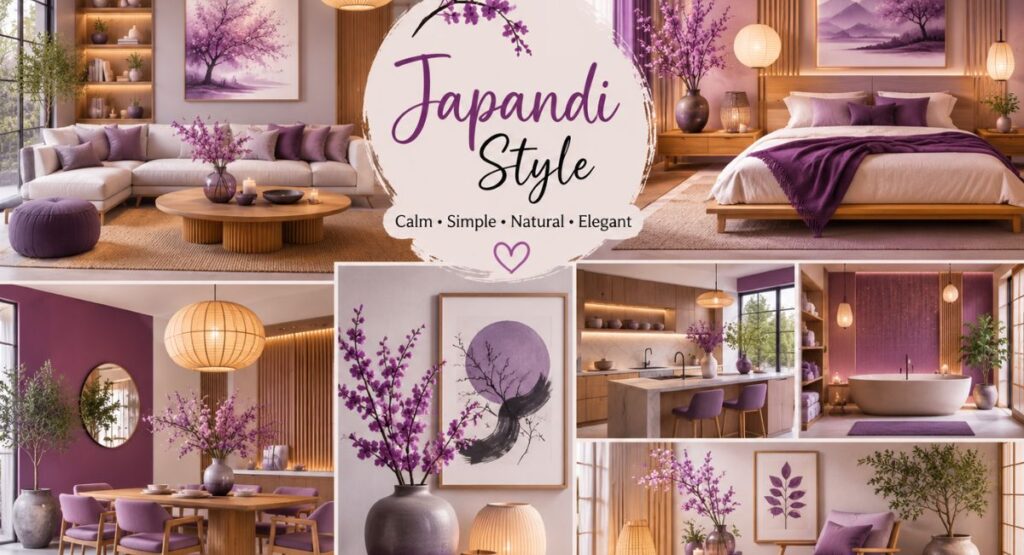
Although Japandi interior design became popular worldwide only recently, its roots go back many decades.
The connection between Japan and Scandinavia developed through a shared appreciation for nature, craftsmanship, and simple living. Both cultures value quality over quantity and believe that beautiful spaces should also be practical.
Japanese design is inspired by the philosophy of wabi-sabi, which celebrates natural beauty, simplicity, and the charm of imperfection. Scandinavian design, on the other hand, embraces hygge, a lifestyle centered on warmth, comfort, and well-being.
As these philosophies gained global recognition, designers began blending them into what we now know as Japandi. Today, it is one of the most sought-after interior design styles because it offers a peaceful escape from busy modern life.
Key Principles of Japandi Design
Creating a Japandi-inspired home is about more than choosing beautiful furniture. It is based on a set of design principles that guide every decorating decision.
1. Simplicity
Avoid unnecessary furniture and decorative items. Every piece should have a clear purpose.
2. Functionality
Choose furniture that is practical, durable, and comfortable for everyday living.
3. Natural Materials
Wood, stone, bamboo, linen, cotton, wool, and ceramics are essential elements of Japandi interiors.
4. Quality Over Quantity
Instead of buying many decorative objects, invest in a few timeless, well-crafted pieces.
5. Balance
Create harmony by combining clean lines with soft textures and warm natural finishes.
6. Neutral Colors
Soft whites, beige, greige, warm gray, taupe, charcoal, muted green, and earthy brown create a calm atmosphere.
7. Connection with Nature
Bring nature indoors through plants, natural light, wooden furniture, and organic materials.
Japandi Color Palette
Color plays an important role in Japandi interior design because it sets the mood of the entire space.
Popular Japandi Colors
- Warm White
- Cream
- Beige
- Light Gray
- Greige
- Taupe
- Soft Brown
- Sage Green
- Olive Green
- Charcoal Black
These colors work together to create a peaceful environment while allowing natural textures to stand out.
Color Tips
- Use light colors on walls to make rooms feel larger.
- Add darker accents through furniture or décor.
- Avoid overly bright or neon colors.
- Keep the palette consistent throughout the home.
- Mix different neutral shades for depth and warmth.
A balanced color palette is one of the easiest ways to achieve an authentic Japandi look.
Choosing Japandi Furniture
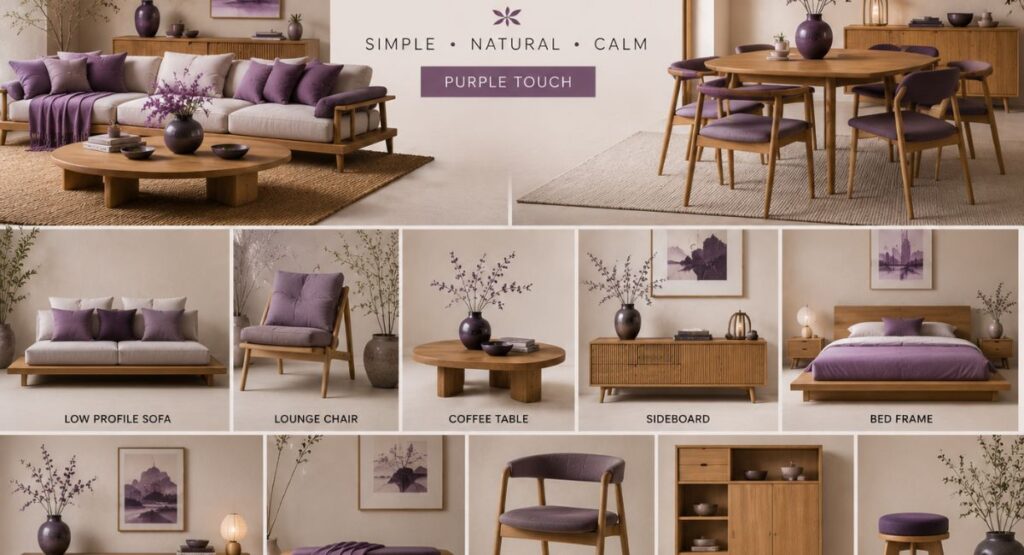
Furniture is the heart of every Japandi home. Instead of filling rooms with many pieces, focus on quality, craftsmanship, and comfort.
Best Furniture Choices
- Low-profile sofas
- Wooden coffee tables
- Solid oak dining tables
- Minimalist shelving
- Platform beds
- Simple dining chairs
- Floating cabinets
- Handmade wooden benches
Furniture Characteristics
- Clean lines
- Rounded edges
- Natural wood finishes
- Functional design
- Minimal ornamentation
- Durable construction
The goal is to create spaces that feel open, airy, and comfortable while maintaining timeless elegance.
Natural Materials in Japandi Interiors
One of the defining features of Japandi interior design is the use of natural materials. These materials bring warmth, texture, and authenticity into the home while creating a stronger connection with nature.
Instead of using glossy plastics or synthetic finishes, Japandi spaces celebrate organic elements that age beautifully over time.
Best Natural Materials
- Oak wood
- Ash wood
- Walnut
- Bamboo
- Stone
- Rattan
- Linen
- Cotton
- Wool
- Clay
- Ceramic
Natural materials not only improve the visual appeal of your home but also create a calm and welcoming atmosphere.
Decorating Tips
- Choose solid wood furniture instead of laminated pieces.
- Add woven baskets for stylish storage.
- Use linen curtains to soften natural light.
- Display handcrafted ceramic vases.
- Mix wood with stone for added texture.
Japandi Lighting Ideas
Lighting is essential in Japandi interior design because it creates a peaceful and relaxing environment. Rather than relying on harsh overhead lighting, Japandi homes use layered lighting to add warmth and depth.
Best Lighting Options
- Paper lantern pendant lights
- Wooden table lamps
- Floor lamps with fabric shades
- Warm LED lighting
- Wall sconces
- Rice paper lamps
Lighting Tips
- Choose warm white bulbs instead of cool white.
- Maximize natural daylight whenever possible.
- Place lamps in reading corners for a cozy atmosphere.
- Keep lighting fixtures simple and elegant.
- Avoid overly decorative chandeliers.
Soft lighting helps create the cozy feeling that makes Japandi interiors so inviting.
Decorating with Indoor Plants
Indoor plants are an important element of Japandi interior design because they bring life, freshness, and natural beauty into every room.
However, instead of filling every corner with plants, Japandi styling focuses on selecting a few carefully placed varieties.
Best Plants for Japandi Homes
- Fiddle Leaf Fig
- Snake Plant
- Monstera
- Bonsai Tree
- Peace Lily
- Rubber Plant
- Olive Tree
- Bamboo Palm
Plant Styling Tips
- Use ceramic or stone planters.
- Choose neutral-colored pots.
- Place plants near natural light.
- Avoid overcrowding your space.
- Mix different plant heights for balance.
Greenery creates a peaceful atmosphere while improving the overall aesthetic of your home.
Wall Décor for Japandi Homes
Wall décor should be simple, meaningful, and carefully selected. Every decorative piece should contribute to the room without making it feel busy.
Wall Decoration Ideas
- Minimalist artwork
- Japanese ink prints
- Botanical illustrations
- Wooden wall panels
- Floating shelves
- Handmade pottery displays
- Neutral abstract paintings
Avoid
- Bright neon artwork
- Oversized gallery walls
- Excessive decorations
- Loud patterns
Keeping your walls clean allows your furniture and natural materials to become the main focus.
Flooring Ideas
The right flooring completes the Japandi look by adding warmth and texture.
Best Flooring Choices
- Light oak flooring
- Natural hardwood
- Bamboo flooring
- Stone tiles
- Polished concrete
- Neutral wool rugs
Layering rugs over wooden floors creates extra comfort while maintaining a minimalist appearance.
Japandi Living Room Ideas
The living room should feel calm, open, and welcoming. Every furniture piece should serve a purpose while maintaining visual balance.
Living Room Essentials
- Low-profile sofa
- Wooden coffee table
- Neutral area rug
- Linen curtains
- Indoor plants
- Minimal artwork
- Soft lighting
- Open shelving
Styling Tips
- Keep surfaces clutter-free.
- Add textured cushions in neutral colors.
- Use woven baskets for storage.
- Leave enough open space between furniture.
- Focus on quality instead of quantity.
A Japandi living room encourages relaxation and meaningful conversations without unnecessary distractions.
Japandi Bedroom Design
Your bedroom should be the most peaceful room in your home. Japandi design helps create a calming environment that supports better rest and relaxation.
Bedroom Furniture
- Platform bed
- Wooden bedside tables
- Linen bedding
- Soft area rug
- Minimal wardrobe
- Warm bedside lamps
Decorating Tips
- Choose neutral bedding.
- Add one or two pieces of artwork.
- Keep bedside tables uncluttered.
- Use blackout linen curtains.
- Include a small indoor plant for a natural touch.
Avoid excessive decorations or bright colors. A clean and simple bedroom promotes restful sleep and creates a true sense of comfort.
Quick Comparison Table
| Feature | Japandi Style | Traditional Style |
|---|---|---|
| Colors | Neutral and earthy | Rich and bold |
| Furniture | Minimal and functional | Decorative and detailed |
| Materials | Natural wood, stone, linen | Mixed materials |
| Décor | Simple and purposeful | More decorative accessories |
| Lighting | Soft and warm | Layered and often brighter |
| Overall Feel | Calm and uncluttered | Elegant and classic |
The beauty of Japandi interior design lies in its ability to create spaces that are stylish, functional, and peaceful without feeling empty or cold.
Japandi Kitchen Design Ideas
The kitchen is one of the most important spaces in a Japandi home. It should be clean, practical, and visually calming. A clutter-free layout paired with natural materials creates a welcoming environment for cooking and gathering.
Essential Features of a Japandi Kitchen
- Flat-panel wooden cabinets
- Quartz or natural stone countertops
- Open wooden shelving
- Matte black or brushed metal hardware
- Neutral backsplash tiles
- Hidden storage solutions
Styling Tips
- Keep countertops free from unnecessary items.
- Display only a few handcrafted ceramic bowls or wooden trays.
- Add a small vase with fresh greenery.
- Use matching storage jars for a tidy appearance.
- Choose warm lighting to enhance the natural materials.
A Japandi kitchen is designed to be both beautiful and highly functional.
Japandi Bathroom Design
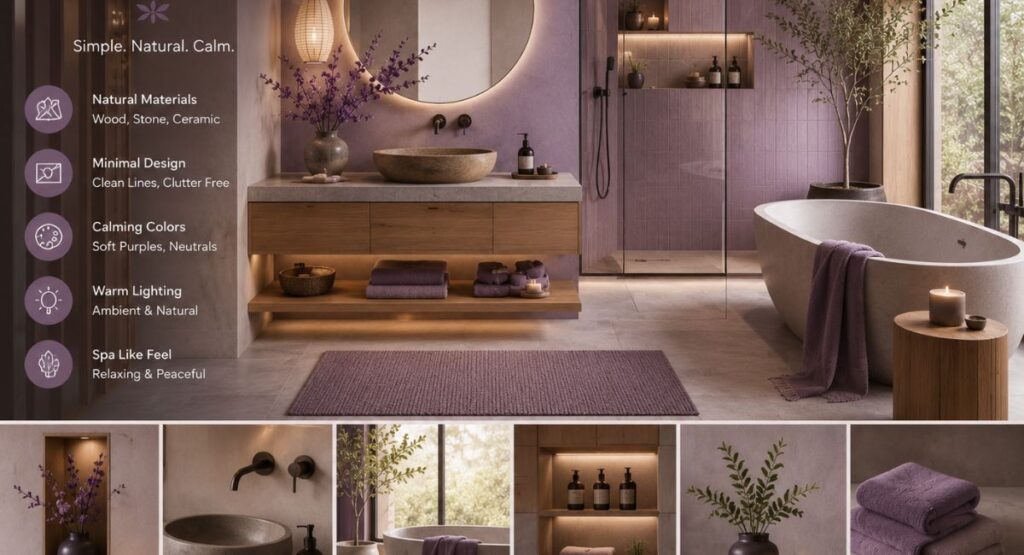
A Japandi bathroom should feel like a peaceful spa where you can relax after a long day. Simplicity and natural textures are key to achieving this look.
Bathroom Essentials
- Floating wooden vanity
- Stone or ceramic sink
- Frameless mirror
- Neutral-colored towels
- Wooden bath stool
- Woven storage baskets
Decorating Tips
- Use natural soap dispensers and trays.
- Add a small indoor plant like bamboo or a fern.
- Keep toiletries neatly organized.
- Choose warm white lighting.
- Avoid overcrowding shelves with decorations.
A clean and organized bathroom creates a calming and luxurious atmosphere.
Japandi Home Office Inspiration
Working from home is more enjoyable in a peaceful and organized environment. Japandi design helps improve focus by reducing visual distractions.
Home Office Essentials
- Solid wood desk
- Ergonomic chair
- Floating shelves
- Desk lamp with warm lighting
- Neutral storage boxes
- Minimal wall art
Productivity Tips
- Keep your desk clutter-free.
- Use hidden cable organizers.
- Add one indoor plant for freshness.
- Let natural light brighten the workspace.
- Choose calming neutral colors.
A simple workspace encourages creativity and productivity.
Smart Storage Solutions
Storage plays an important role in Japandi interior design because it helps maintain a clean and organized home.
Best Storage Ideas
- Built-in cabinets
- Floating shelves
- Storage benches
- Wooden baskets
- Under-bed storage
- Multi-functional furniture
Storage Tips
- Store everyday items out of sight.
- Use matching containers for a cohesive look.
- Declutter regularly.
- Organize room by room.
- Keep open shelving simple and balanced.
Hidden storage keeps your home looking spacious and peaceful.
Textiles and Fabrics
Soft textiles add warmth and comfort while maintaining the minimalist beauty of Japandi interiors.
Best Fabrics
- Linen
- Cotton
- Wool
- Jute
- Bamboo fiber
Where to Use Them
- Curtains
- Bedding
- Throw blankets
- Cushion covers
- Area rugs
- Table runners
Stick to neutral shades and natural textures to create a harmonious look.
Handmade Accessories
One of the unique characteristics of Japandi style is the appreciation for craftsmanship. Handmade décor adds personality and authenticity without overwhelming the space.
Decorative Accessories
- Ceramic vases
- Clay bowls
- Handmade pottery
- Wooden trays
- Woven baskets
- Paper lanterns
- Stone sculptures
Choose a few high-quality accessories instead of filling every surface with decorations.
Common Japandi Decorating Mistakes
Even though Japandi style looks simple, a few mistakes can prevent your home from achieving the desired look.
Mistakes to Avoid
- Buying too many decorative items.
- Using bright or neon colors.
- Choosing oversized furniture.
- Ignoring natural light.
- Mixing too many design styles.
- Using synthetic materials instead of natural ones.
- Creating cluttered shelves.
Remember, Japandi design is about balance, functionality, and thoughtful decorating.
Budget-Friendly Japandi Ideas
Creating a Japandi-inspired home doesn’t have to be expensive. Small updates can make a significant difference.
Affordable Decorating Tips
- Repaint walls in warm neutral tones.
- Add linen cushion covers.
- Replace plastic décor with wooden accessories.
- Shop for second-hand solid wood furniture.
- Use woven baskets for storage.
- Display fresh greenery.
- Rearrange furniture to create more open space.
- Declutter every room.
By focusing on quality over quantity, you can achieve a beautiful Japandi look while staying within your budget.
Benefits of Japandi Interior Design
Choosing Japandi interior design offers many long-term benefits beyond aesthetics.
Why Homeowners Love Japandi
- Creates a calm and relaxing environment.
- Makes small rooms feel larger.
- Reduces visual clutter.
- Encourages mindful living.
- Works well in both small and large homes.
- Never goes out of style.
- Uses sustainable, natural materials.
- Improves comfort and functionality.
A Japandi home is not only visually appealing but also supports a more peaceful and intentional lifestyle.
Japandi vs Scandinavian Design
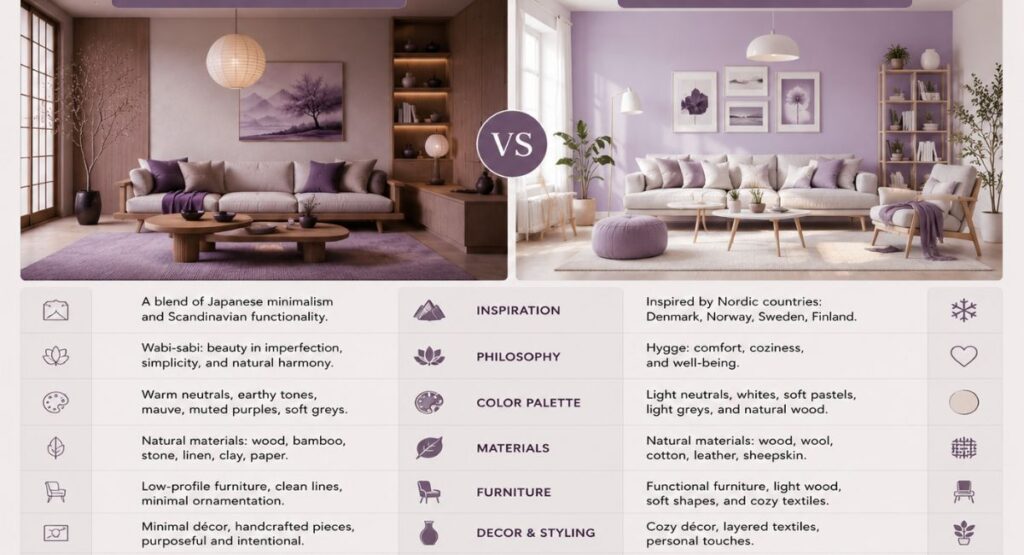
Although Japandi and Scandinavian styles share many similarities, they are not identical. Both focus on simplicity, functionality, and natural materials, but each has its own unique character.
| Feature | Japandi | Scandinavian |
|---|---|---|
| Inspiration | Japanese + Scandinavian | Nordic Countries |
| Color Palette | Warm neutrals and earthy tones | Light neutrals with soft pastels |
| Furniture | Low-profile, clean-lined | Functional with softer curves |
| Décor | Minimal and intentional | Cozy and decorative |
| Philosophy | Wabi-Sabi (beauty in imperfection) | Hygge (comfort and coziness) |
| Materials | Wood, bamboo, stone, linen | Wood, wool, cotton, leather |
Japandi creates a more serene and minimalist atmosphere, while Scandinavian interiors often feel brighter and cozier.
Japandi vs Minimalism
Minimalism focuses on removing excess and living with only the essentials. Japandi interior design also values simplicity, but it adds warmth, texture, and natural beauty.
Key Differences
- Japandi uses natural textures to make spaces feel inviting.
- Minimalism can sometimes appear stark or plain.
- Japandi embraces handcrafted décor and organic materials.
- Both styles avoid clutter and prioritize functionality.
If you prefer a home that feels calm yet welcoming, Japandi offers the perfect balance.
Latest Japandi Interior Design Trends
The Japandi style continues to evolve while staying true to its core principles.
Popular Trends
- Sustainable furniture made from reclaimed wood
- Curved furniture with soft edges
- Textured plaster walls
- Handmade ceramic décor
- Oversized indoor plants
- Smart hidden storage
- Earthy color palettes
- Natural stone countertops
- Layered lighting
- Eco-friendly materials
These trends help create homes that are stylish, timeless, and environmentally conscious.
Expert Tips for Decorating a Japandi Home
Follow these practical tips to achieve an authentic Japandi interior:
- Choose quality over quantity.
- Stick to a neutral color palette.
- Let natural light brighten your rooms.
- Invest in timeless wooden furniture.
- Mix soft textiles with natural wood.
- Keep surfaces clean and uncluttered.
- Decorate with handcrafted accessories.
- Add greenery without overcrowding the space.
- Create balance between beauty and function.
- Avoid following short-lived decorating trends.
Small, thoughtful changes can make a significant difference in achieving the peaceful elegance of Japandi style.
Frequently Asked Questions (FAQs)
1. What is Japandi interior design?
Japandi interior design is a blend of Japanese minimalism and Scandinavian functionality. It combines clean lines, natural materials, neutral colors, and purposeful décor to create calm and welcoming living spaces.
2. Which colors are best for Japandi interiors?
Warm white, beige, greige, taupe, soft gray, charcoal, sage green, olive green, and natural wood tones are the most popular colors.
3. Is Japandi suitable for small homes?
Yes. Japandi works exceptionally well in small homes because it emphasizes simplicity, multifunctional furniture, and clutter-free spaces that make rooms feel larger.
4. What materials are commonly used in Japandi design?
Natural wood, bamboo, stone, linen, cotton, wool, ceramic, clay, and rattan are commonly used to create a warm and organic look.
5. Can I decorate my home in Japandi style on a budget?
Absolutely. Start with neutral paint, declutter your rooms, add natural wood accessories, introduce indoor plants, and invest in a few quality pieces over time.
6. Are indoor plants important in Japandi interiors?
Yes. Indoor plants add freshness, improve the visual appeal of a room, and strengthen the connection between indoor spaces and nature.
7. Why is Japandi interior design so popular?
Japandi has become popular because it combines timeless beauty, comfort, sustainability, and functionality. It creates peaceful spaces that support modern lifestyles while remaining elegant and practical.
Conclusion
Japandi interior design is more than just a decorating trend—it’s a lifestyle centered on simplicity, balance, and mindful living. By combining the elegance of Japanese minimalism with the warmth of Scandinavian design, Japandi creates spaces that are peaceful, functional, and timeless.
Whether you’re redesigning your living room, bedroom, kitchen, or home office, this style encourages you to choose quality materials, embrace natural textures, and keep your home organized. Every piece of furniture and décor should have a purpose while contributing to a calm and welcoming atmosphere.
You don’t need a complete renovation to enjoy the benefits of Japandi design. Even small changes, such as adding natural wood, neutral colors, soft lighting, and handcrafted accessories, can transform your home into a relaxing retreat.
By following the ideas and tips in this guide, you can create a beautiful home that reflects your personality while providing comfort, harmony, and lasting style.
you can also visit our article